Versilia in Tasca
Viareggio Carnival: history, floats and the Cittadella in 5 minutes
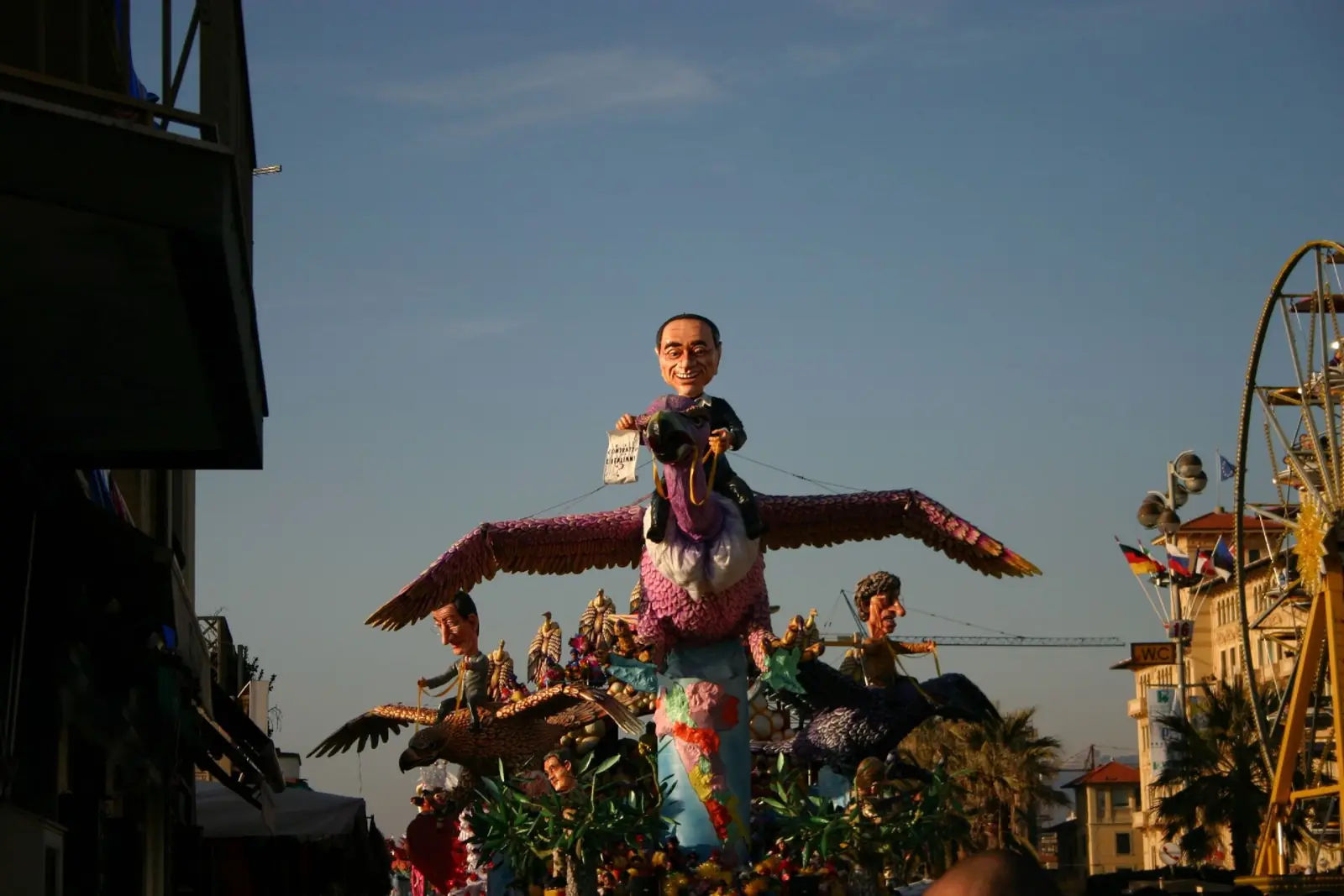
The Viareggio Carnival is one of the most famous in Italy, and it's the reason so many people come to town even in winter. Here's what you need to know.
How it began
It all started on 25 February 1873, Shrove Tuesday, with a parade of decorated carriages along Via Regia, in the heart of the old town. From there the celebration grew along with the size of its floats, until it moved to the seafront avenues.
It all began in 1873 with a few decorated carriages on Via Regia.
Burlamacco and Ondina
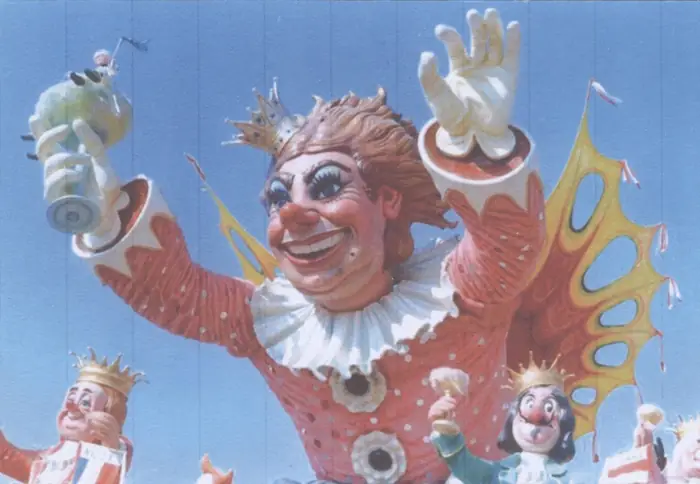
The official mascot, Burlamacco, was designed by local artist Uberto Bonetti and first appeared on the 1931 poster, alongside Ondina, the bather who symbolises summer. The name Burlamacco came in 1939 and echoes both Buffalmacco, the painter in Boccaccio's Decameron, and the Burlamacca canal. His costume blends elements of Harlequin, Pierrot, Balanzone, Rugantino and Capitan Spaventa.
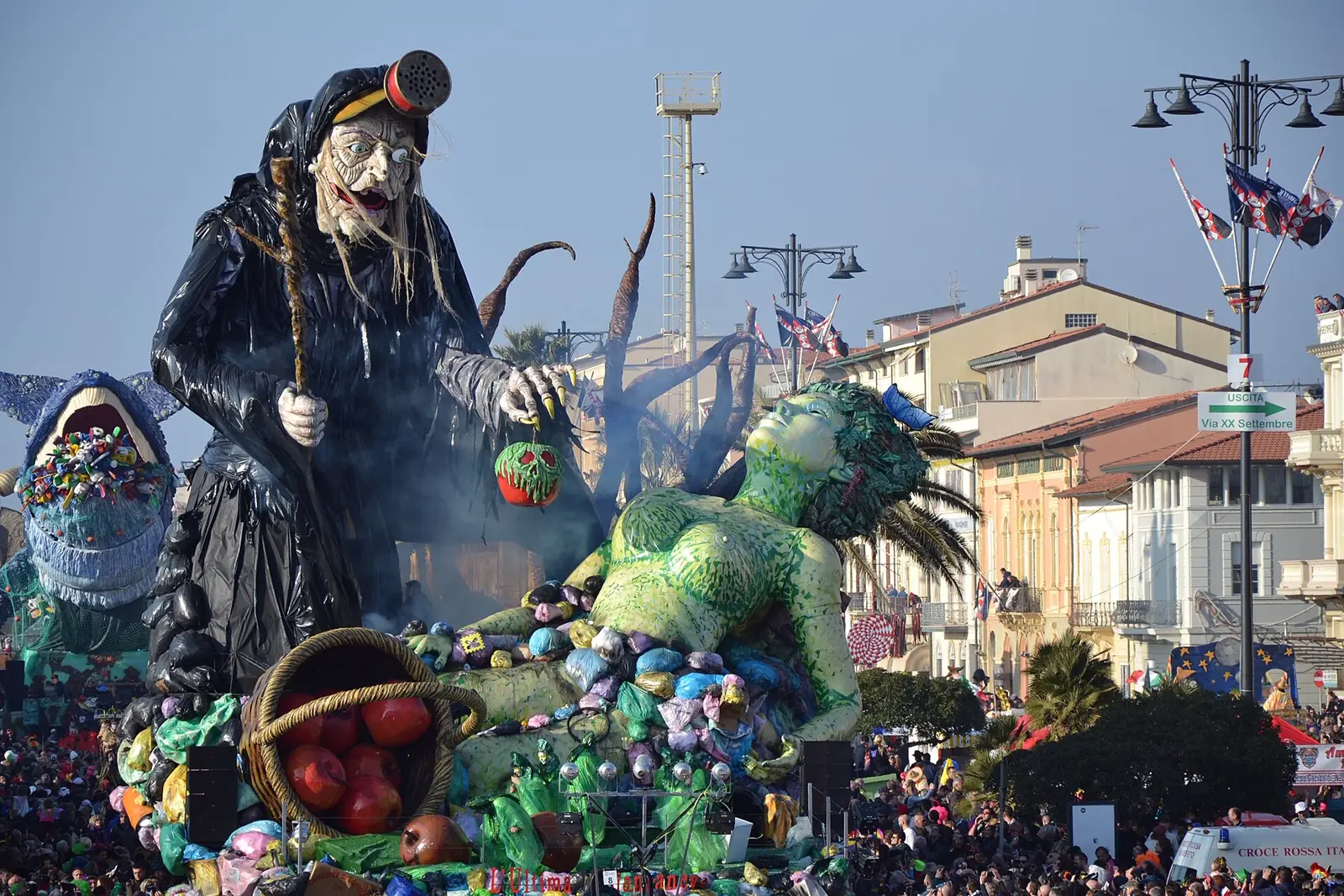
The Cittadella del Carnevale
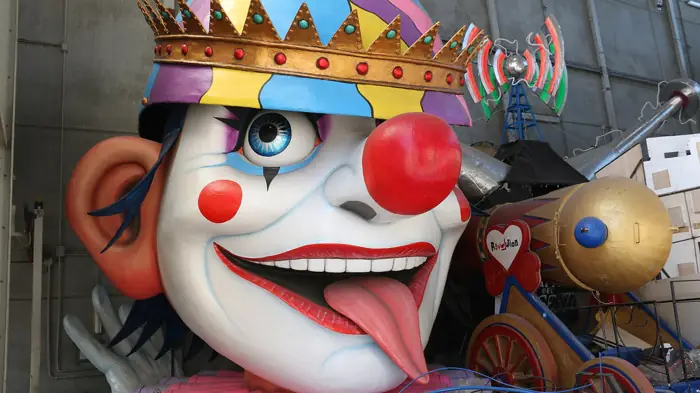
The papier-mâché floats are built in the Cittadella del Carnevale, opened in 2001: 16 hangar-workshops arranged around Piazza Burlamacco, plus the Carnival Museum. You'll find it on Via Santa Maria Goretti in Viareggio.
Practical tips
- Dates, tickets and programme change every year: always check the official website.
- Coming from out of town? Book your accommodation early.

Frequently asked questions
When did the Viareggio Carnival begin?
On 25 February 1873, Shrove Tuesday, with a parade of carriages along Via Regia.
Who is Burlamacco?
The official mascot, designed by Uberto Bonetti and first shown on the 1931 poster alongside Ondina.
Sources: Fondazione Carnevale di Viareggio – Timeline, La Cittadella. General information: opening times, prices and dates change, so always check the official websites.